
Free Speech in the EU: What the Digital Services Act Actually Says
The Digital Services Act is either Europe’s shield against online harm or a censorship machine, depending on who you ask on X. The text itself is more modest and more specific than either side admits. Here is what it really requires, where the genuine free-speech risks lie, and what has happened since it came into force.
The basics
The Digital Services Act (DSA), Regulation (EU) 2022/2065, was adopted on 19 October 2022. It has applied to the largest platforms since August 2023 and to all online intermediaries since 17 February 2024. It replaced much of the e-Commerce Directive of 2000 and sets common rules for how online services handle content, advertising and transparency across the EU.
The DSA works in tiers. Simple hosting services have basic duties. Online platforms have more. “Very large online platforms” and “very large online search engines”, those with more than 45 million monthly users in the EU, carry the heaviest obligations and are supervised directly by the European Commission. National “Digital Services Coordinators” supervise the rest.
What the DSA does not do
Three points are often missed.
- It does not define what is illegal. The DSA refers to “illegal content” as anything that breaks EU law or the law of a member state. Whether a post is unlawful hate speech, defamation or incitement is still decided by national law and national courts, which differ from country to country.
- It does not require general monitoring. Article 8 states that platforms may not be obliged to generally monitor what users post or actively seek out illegal activity.
- It does not make “disinformation” illegal. Lawful but false or misleading speech is not banned by the DSA. That matters, because much of the public debate assumes otherwise.
What it does do for users
Some DSA provisions actually strengthen the position of the ordinary user against the platform:
- Reasons for removal (Article 17). When a platform removes or restricts your content or account, it must tell you why, and on what legal or contractual basis.
- Internal complaints (Article 20). You can appeal moderation decisions for at least six months, free of charge.
- Out-of-court dispute settlement (Article 21). You can take a dispute to a certified independent body. Several have been certified, and they publish statistics on how often users win.
- Transparency. Statements of reasons are collected in a public DSA Transparency Database, so anyone can see how much platforms remove and why.
Before the DSA, a user banned by a large platform usually had no right to an explanation and no route of appeal. Whatever else one thinks of the law, this is a real gain for free expression.
Where the free-speech concerns are real
Critics are not imagining things. Several features deserve close scrutiny.
Systemic risk duties (Articles 34 and 35). Very large platforms must assess and mitigate “systemic risks”, including risks to “civic discourse and electoral processes” and “public security”. These terms are broad. Because the Commission assesses whether mitigation is adequate, there is a risk that platforms over-remove lawful speech to stay on the right side of the regulator. The law does require them to take freedom of expression into account, but the incentive structure points toward caution.
Trusted flaggers (Article 22). Notices from approved “trusted flaggers” must be handled with priority. Who is appointed, and how neutral they are, therefore matters a great deal. Appointments are made nationally and are public, and they should be watched.
The crisis mechanism (Article 36). In a declared crisis the Commission can require very large platforms to take specific measures for up to three months. It has safeguards, but it is a powerful tool that has not yet been tested.
Political pressure. In August 2024, the then Commissioner for the internal market sent a public letter to the owner of X before a livestreamed conversation with a US presidential candidate, warning of possible DSA consequences. The letter was criticised across the political spectrum, and the Commission distanced itself from its timing. The episode showed how the threat of enforcement can itself shape speech, regardless of the legal text.
The X case: what the fine was actually for
The first DSA non-compliance decision with a fine was against X. On 5 December 2025 the Commission fined X €120 million. Notably, the fine was not about political posts. It concerned three transparency breaches: the design of the paid blue checkmark, which the Commission found deceptive; an inadequate advertising repository; and failure to give researchers access to public data. X challenged the decision in court in February 2026. On 16 July 2026 the Commission accepted an action plan from X to improve ad transparency and researcher access, with six months to implement it and an independent audit to follow. A separate investigation into X’s handling of illegal content and election-related risks remains open.
On X itself, the debate in recent weeks has widened to similar laws elsewhere, such as Australia’s proposed digital duty-of-care bill and Canada’s online safety bill, with commentators asking whether Europe has become the model for speech regulation worldwide.
How to judge the DSA fairly
A conservative case for free speech does not require pretending the DSA is something it is not. It requires holding it to its own promises. Useful tests are:
- Does enforcement focus on clearly illegal content and on transparency, or does it drift into pressure over lawful opinions?
- Are the user rights in Articles 17, 20 and 21 actually working, and do users win a meaningful share of appeals?
- Are trusted flaggers and fact-checking partners transparent and politically balanced?
- Do the Commission’s requests to platforms get published, so citizens can see what is asked in their name?
The bottom line
The DSA is not a censorship law in the sense of banning opinions, and it gives users some new rights they never had. But it creates a regulator with broad, vaguely defined powers over the largest public forums of our time, and vague powers have a habit of expanding. The right response is vigilance, transparency and, where needed, the courts. Free speech in Europe will be defended less by slogans than by people who have read the text.
Sources: Regulation (EU) 2022/2065 (EUR-Lex); European Commission press releases of 5 December 2025 and 16 July 2026; DSA Transparency Database; public reporting and discussion on X, attributed where used.
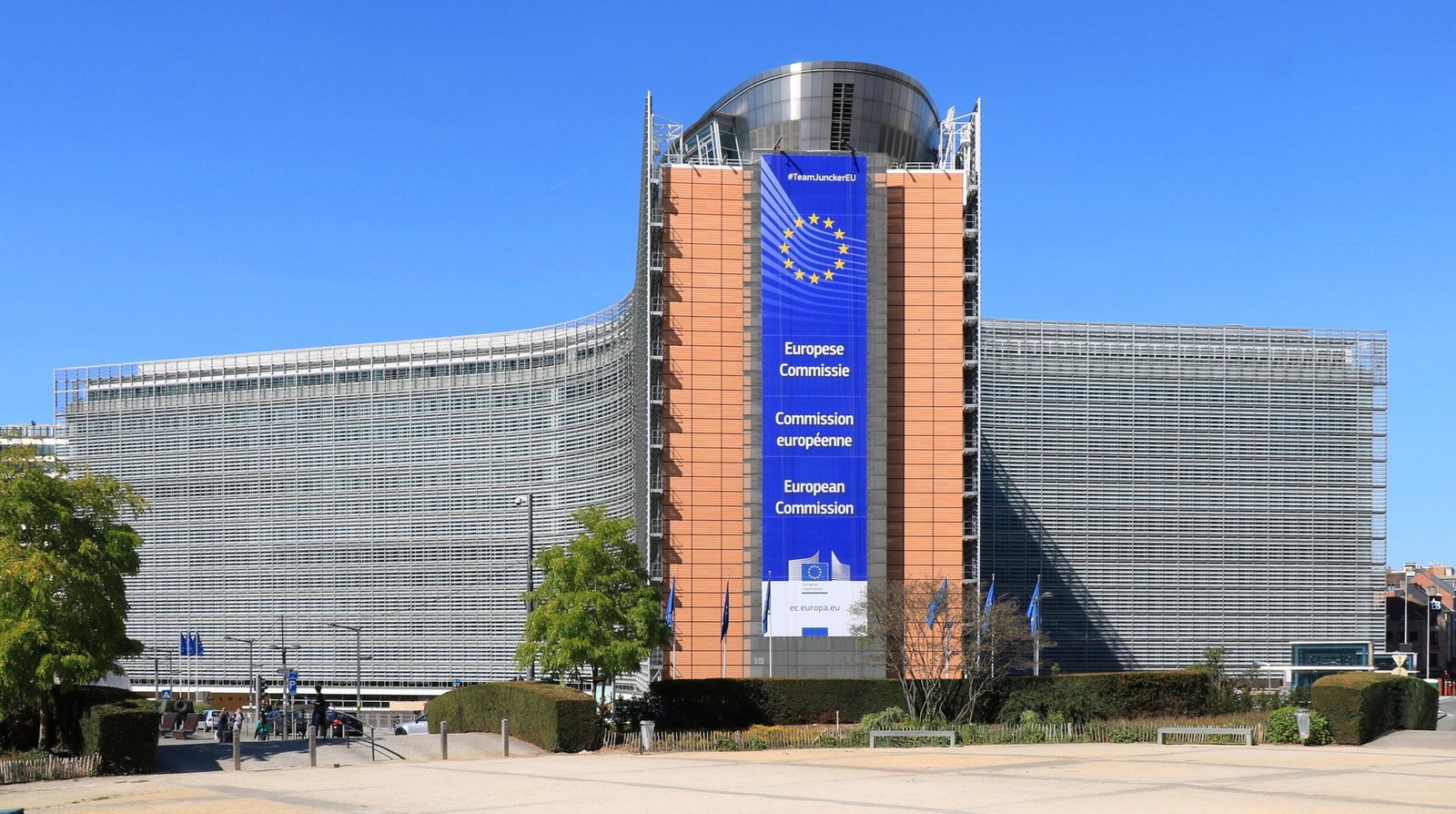
Featured image: The Berlaymont, seat of the European Commission, Brussels. Photo: EmDee, CC BY-SA 4.0, via Wikimedia Commons.