France’s Nuclear Renaissance: EDF, Energy Sovereignty, and Power Markets
In an era defined by geopolitical turbulence, volatile fossil fuel markets, and the rigid decarbonization mandates of the European Green Deal, France occupies a uniquely resilient position. Unlike many of its European neighbors who hastily shuttered dispatchable baseload generation in favor of intermittent renewables, France maintained its commitment to civil nuclear energy. Generating roughly two-thirds of its electricity from a vast fleet of reactors operated by Électricité de France (EDF), the French Republic stands as the foremost bastion of energy sovereignty in Western Europe according to assessments by the International Energy Agency. However, aging infrastructure, massive capital requirements for new construction, and complex European electricity market designs have created formidable hurdles for Paris as it embarks on a contentious nuclear renaissance.
The Historical Foundation of French Energy Autonomy
The roots of France’s nuclear primacy trace back to the 1973 oil crisis, which exposed the nation’s extreme vulnerability to imported fossil fuels. Under the leadership of Prime Minister Pierre Messmer, the French government launched an ambitious mobilization—subsequently known as the Messmer Plan—to construct a standardized network of pressurized water reactors (PWRs). This decisive state intervention transformed France from an energy importer into a net exporter of reliable, low-carbon electricity. According to data compiled in official national archives, nuclear power has consistently provided the bedrock of French industrial competitiveness and household energy security. State-directed industrial policy proved that long-term strategic investments could successfully insulate a modern economy from external supply shocks.
This unwavering commitment to the atom was not merely an economic calculation; it was a profound manifestation of Gaullist independence. By refusing to rely on foreign coal, gas, or volatile oil supplies for baseload generation, France secured absolute control over its national destiny. While neighboring nations became dangerously dependent on imported Russian pipeline gas or erratic weather-dependent generation, French industry enjoyed predictable, low-cost electricity that attracted high-tech manufacturing and heavy industry alike. The centralized state-utility model enabled systematic engineering standardization, robust safety oversight, and continuous technological refinement across generations of reactor designs.

The Industrial and Financial Revival of EDF
Despite its proven strategic advantages, the French nuclear sector entered a period of severe strain in the early 2020s. A combination of unexpected corrosion issues in safety injection systems, delayed maintenance schedules exacerbated by COVID-19 lockdowns, and a historic drought that limited cooling water river flows forced numerous reactors offline. This operational crunch transformed France from a net electricity exporter into a massive importer during peak winter demand, exposing flaws in the European Union’s marginal pricing model. In response, President Emmanuel Macron announced a decisive policy pivot: the complete renationalization of Électricité de France (EDF) and a commitment to construct up to fourteen new EPR2 reactors by 2050.
Returning EDF to 100% state ownership was an essential measure to restore financial stability and enable massive capital mobilization. Building cutting-edge nuclear reactors requires multi-decade planning horizons and immense upfront capital expenditure that private equity markets are typically unwilling to bear. By removing short-term shareholder pressures and integrating utility financing directly into sovereign debt structures, the French state signaled that reliable electricity is a public good rather than a speculative commodity. However, financing this multi-billion-euro renaissance without triggering excessive national debt burdens or crushing household tax pressures remains an immense fiscal tightrope walk for the Ministry of Economy.
The European Electricity Market and Regulatory Friction
A critical battleground for French energy sovereignty is the architecture of the European Union’s internal electricity market. For decades, the marginal pricing mechanism—whereby the most expensive generation source (typically natural gas) sets the wholesale price for all electricity—undermined the cost-reflective benefits of France’s amortized nuclear assets. French policymakers, supported by industrial consumers, waged a sustained diplomatic campaign in Brussels to reform market rules, arguing that consumers should reap the financial rewards of low-carbon domestic baseload power. The resulting compromises reflect an ongoing tug-of-war between supranational market integration and national strategic autonomy.
Brussels technocrats have frequently pushed policies that favor rapid, decentralized renewable deployment over centralized baseload infrastructure, creating recurring friction with Paris. French ministers have consistently argued that intermittent wind and solar power cannot guarantee grid stability without massive backup storage or fossil fuel peaker plants. By defending nuclear energy within EU taxonomy frameworks, France successfully ensured that long-term decarbonization strategies recognize atomic power as a sustainable and indispensable energy source. This regulatory victory protects nuclear investments from being starved of green financing and establishes a legal precedent for other European nations seeking energy independence.

Geopolitical Resilience and the Security of Uranium Supply
Energy sovereignty extends beyond power plant operations to secure the upstream nuclear fuel cycle. France’s strategic autonomy relies on diversified supply chains for enriched uranium and conversion services, partnering with allied nations while managing geopolitical risks in key producer states such as Niger and Kazakhstan. Unlike natural gas pipelines or liquefied natural gas (LNG) tankers vulnerable to maritime chokepoints and embargoes, nuclear fuel cores regulated under the Euratom Treaty require minimal physical volume, allowing utilities to stockpile years of strategic reserves on-site. This structural resilience insulates French industry from sudden supply shocks that routinely destabilize neighboring economies.
Maintaining secure access to uranium conversion and enrichment facilities—predominantly operated by Orano within French territory—ensures that foreign geopolitical disputes cannot easily paralyze domestic electricity generation. As global competition for critical minerals intensifies, France’s holistic mastery of the entire nuclear fuel cycle, from mining partnerships to advanced waste reprocessing at La Hague, provides an enviable strategic buffer. While critics raise valid concerns regarding radioactive waste storage and project management overruns, the core reality remains: nuclear energy grants France an exceptional degree of self-determination in an increasingly precarious world.
What to watch
- Progress reports on the construction timeline and final commissioning of the Flamanville 3 EPR reactor and subsequent EPR2 projects across French sites.
- Legislative debates in the French Parliament regarding capital allocation, state subsidies, and long-term financing models for EDF’s reactor expansion program.
- Implementation of reformed European Union electricity market rules and state-aid approvals by the European Commission for domestic nuclear pricing mechanisms.
- Geopolitical developments concerning uranium mining concessions, enrichment partnerships, and secondary fuel reprocessing agreements in Africa and Central Asia.
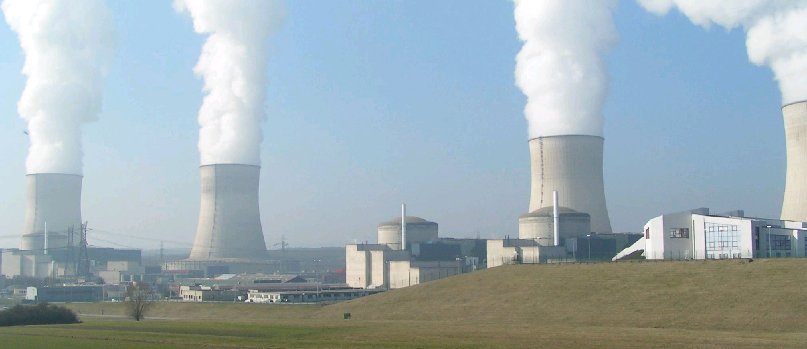
Featured image: Cattenom nuclear power plant. Photo: Jmb190, CC BY-SA 3.0, via Wikimedia Commons.