
Spain’s October 2026 Political Upheaval: Why Prime Minister Sánchez Called a Snap Election
The political landscape of Spain experienced a seismic shock in early October 2026 when Prime Minister Pedro Sánchez announced a snap general election, set for November 29, 2026. Coming amid escalating housing cost protests, parliamentary gridlock, and mounting pressure from opposition forces, this decision marks a critical turning point for the nation’s governance. As citizens across Madrid, Valencia, and Barcelona voice profound frustration over cost-of-living pressures and regional governance, observers across Europe are scrutinizing the stability of one of the continent’s remaining prominent left-of-center administrations. The convergence of urban housing crises, regional separatist friction, and economic strain has tested the limits of coalition politics, leaving voters to decide the immediate future of the Spanish state.
The Catalyst: Housing Crises and Nationwide Protests
The immediate trigger was housing. In recent weeks Spaniards had taken to the streets over rents and home prices, and public anger grew after the televised eviction of an 87-year-old woman in Madrid; the government said more than 70,000 people joined a housing protest in the capital on the Saturday before the announcement, according to Al Jazeera. According to The Guardian, the election was called after rightwing parties voted down emergency legislation aimed at tackling the housing crisis. Housing has been a top concern in Spain for years: figures from the property portal Idealista cited by Al Jazeera suggest average rents have almost doubled over the past decade, pricing many young families and workers out of the cities where they grew up.
What began as a cost-of-living grievance has turned into a test of the government itself. EFE reports that Sánchez made his decision after Congress defeated two housing decrees presented by his government, and after the mass protests sparked by the Madrid eviction. Unable to deliver the housing relief he had promised through parliament, the prime minister chose to put the question directly to voters.
Parliamentary Deadlock and Coalition Pressures
Operating a minority coalition government requires constant negotiation. Since returning to office, Sánchez has governed in a minority coalition with the small leftwing Sumar alliance, relying on a controversial deal with Catalan pro-independence parties, and that arrangement has made for a turbulent time in parliament, as The Guardian notes. Analysis from the European Policy Centre looks at how that parliamentary gridlock shaped the decision to go to the polls early.
Without a dependable majority for flagship measures such as the housing decrees, the government struggled to pass the legislation it saw as urgent. The conservative Partido Popular and the far-right Vox have seized on the moment: PP leader Alberto Núñez Feijóo asked voters whether they want “four more years of what we’ve been living through” or to “give change a chance”, as reported by Al Jazeera. Opinion polls cited by the same outlet suggest a PP-led coalition backed by Vox is the most likely outcome.

Strategic Gamble or Last Resort?
Political analysts and commentators remain sharply divided over whether calling a November snap election is a calculated strategic masterstroke or an act of sheer political desperation. By returning the mandate directly to the electorate ahead of schedule, Sánchez aims to mobilize progressive voters, bypass entrenched parliamentary obstruction, and force opposition parties into a rapid electoral contest. However, official dispatches from news agencies such as EFE note that conservative and right-of-center parties have capitalized heavily on widespread economic anxieties, persistent inflation, and public dissatisfaction with immigration management to rally an energized, formidable opposition base across the country.
The calendar is short: less than two months separate the announcement on 5 October from polling day on 29 November. The incumbent hopes to mobilise progressive voters before discontent hardens further. Critics contend that rushing to the ballot box during a period of acute social frustration risks deepening cynicism rather than resolving it, and turnout in working-class suburbs and high-rent cities is likely to be decisive.
Implications for the Broader European Political Sphere
As one of the most prominent socialist and left-wing leaders remaining in Western Europe, Sánchez’s political fate carries immense symbolic and practical weight across Brussels, Berlin, and other EU capitals. The ultimate outcome of the November 29 ballot will directly influence Spain’s official stance on key European policies, ranging from fiscal discipline and Green Deal implementation to common migration frameworks and defense integration. Outlets like Al Jazeera emphasize that the Spanish election serves as a critical bellwether for incumbent governing coalitions across the continent that are currently facing similar post-pandemic and inflationary backlashes from weary electorates.
European Union officials are monitoring the Spanish political situation with understandable anxiety, cognizant that a shift in Madrid toward a conservative coalition could alter the balance of power within the European Council. Spain has frequently acted as a bridge between Northern fiscal hawks and Southern spending advocates, while also playing a central role in Mediterranean security and migration management. Any abrupt change in national leadership threatens to reverberate across EU legislative files, particularly regarding energy transition targets and agricultural funding allocations.
What to Watch
As the intense national campaign officially unfolds toward the crucial November 29, 2026 polling day, key indicators to monitor closely include final televised candidate debates, regional voter turnout rates in high-cost housing regions like Valencia and Catalonia, and updated polling aggregators reflecting shifting voter allegiances. Observers should also track official announcements and preliminary data releases from Spain’s Ministry of the Interior and electoral commission for certified participation figures and verified election results. Ultimately, the ballot box will reveal whether Spain’s citizenry prefers continuity under familiar progressive banners or a decisive turn toward conservative governance.
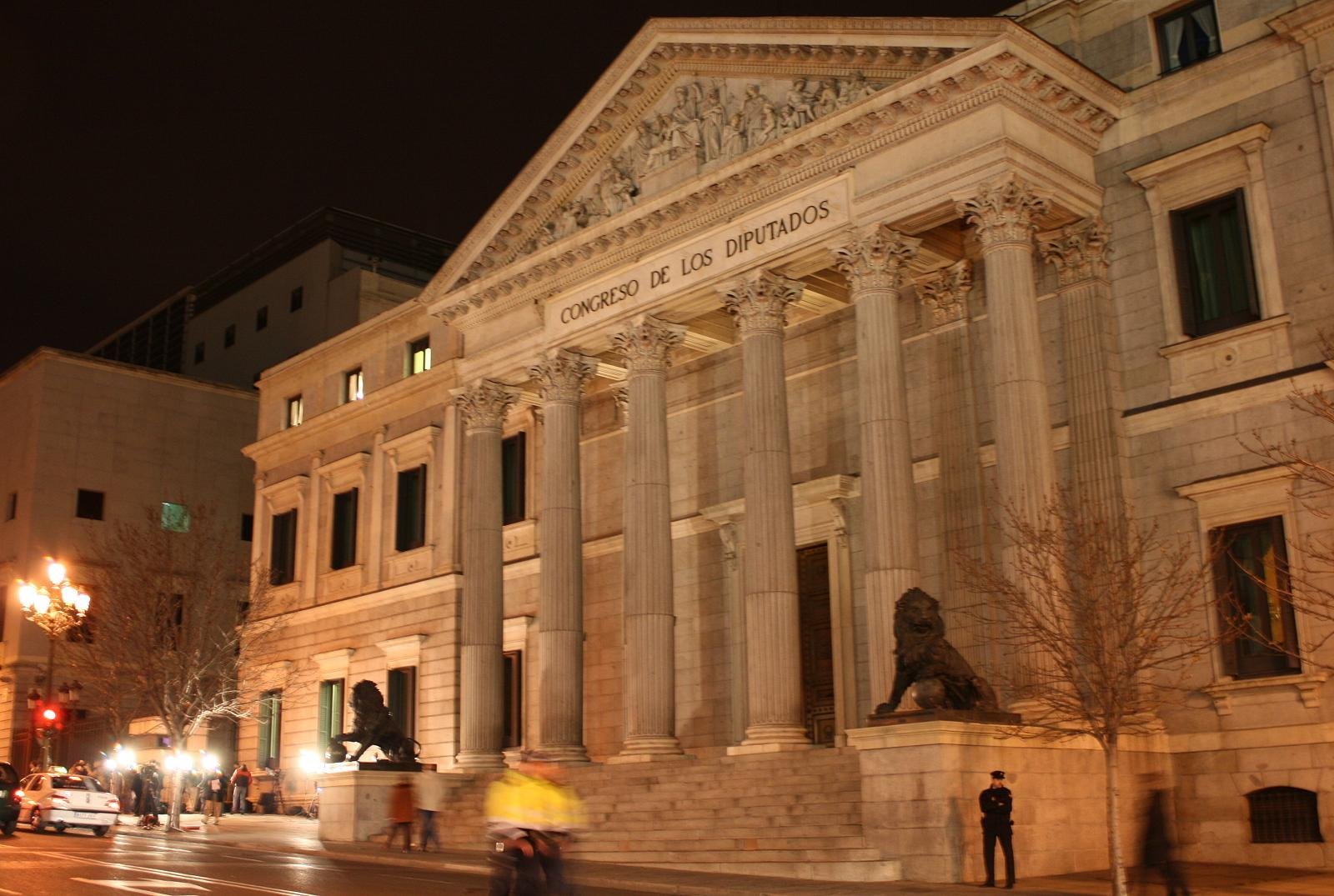
Featured image: Congreso de los Diputados, Madrid. Photo: Roberto García, CC BY 2.0, via Wikimedia Commons.