Swiss Agricultural Sovereignty: Article 104a, AP22+, and the Alpine Food Security Dilemma
Nestled in the heart of the Alps, the Swiss Confederation maintains a distinct agricultural model characterized by high production costs, intensive direct-payment subsidies, and a constitutional mandate prioritizing domestic food security. Unlike member states bound directly by the European Union’s Common Agricultural Policy (CAP), Switzerland charts an independent course under Article 104a of the Federal Constitution. This constitutional provision commits the federal government to securing the long-term provision of food supplies, preserving agricultural land, and maintaining farming structures adapted to local ecological conditions.
However, Swiss agriculture faces profound socioeconomic pressures. According to strategic policy documents published by the Federal Office for Agriculture (BLW), the ongoing evolution of agricultural policy—specifically the legislative framework known as Agricultural Policy 2022+ (AP22+)—seeks to balance production imperatives with stringent ecological requirements. As policymakers grapple with climate adaptation, declining farm incomes, and global supply chain volatility, the debate over self-sufficiency versus open trade has intensified across Swiss cantons.
Constitutional Foundations: Article 104a and Food Security
The legal bedrock of Swiss agricultural exceptionalism was reinforced by a nationwide constitutional referendum in 2017, which overwhelmingly approved Article 104a of the Federal Constitution. This article mandates that the Confederation create framework conditions that protect the basis of agricultural production, particularly arable land; foster farming practices that conserve natural resources; and ensure an agricultural sector geared toward meeting domestic nutritional needs.
In analytical reports and briefings examined by the Swiss Observer, agricultural economists emphasize that while Switzerland’s gross self-sufficiency rate hovers around 50 to 60 percent depending on calculation methods and caloric intake, net self-sufficiency—accounting for imported animal feed and agricultural inputs—is significantly lower. Additional administrative data from the Federal Office for Agriculture direct payments overview demonstrates how financial transfers are structured to support sustainable farming across difficult terrain. This structural vulnerability places Swiss food security at the center of national security discussions, particularly in an era of geopolitical instability and disrupted international logistics.
Agricultural Policy 2022+ (AP22+) and Environmental Mandates
To implement statutory goals while meeting environmental obligations, the Swiss Federal Council formulated Agricultural Policy 2022+ (AP22+). Official administrative reforms detailed by the Federal Office for Agriculture outline a gradual tightening of ecological performance proof (Ökologischer Leistungsnachweis, ÖLN). Farmers must meet rigorous biodiversity targets, limit fertilizer runoff, and reduce chemical pesticide usage to qualify for vital direct payments.
Direct payments constitute a pillar of Swiss farming economics, accounting for the vast majority of net income for mountain and hill farmers. Under AP22+, these payments are increasingly conditional upon ecological linkage. While environmental groups argue these measures are essential for preserving alpine biodiversity, farming associations caution that mounting bureaucratic overhead and restrictive production caps diminish the economic viability of traditional family holdings, pushing many producers toward structural rationalization or outright cessation.
The Dilemma of Import Dependency and Trade Liberalization
Swiss food sovereignty operates within a delicate equilibrium between protected domestic production and bilateral free trade agreements. Switzerland maintains high tariff barriers on sensitive agricultural goods such as dairy, meat, and grains to shield domestic producers from low-cost global competitors. At the same time, the Confederation is party to numerous free trade accords, including agreements with the European Free Trade Association (EFTA) and individual nations.
When international food prices fluctuate or supply chains experience bottlenecks, the vulnerability of relying on imported foodstuffs becomes starkly apparent. Agricultural analysts note that consumer demand in Swiss urban centers frequently favors low-cost imported goods, creating severe price competition for domestic producers who must operate under stringent animal welfare and environmental standards. Consequently, farm advocacy groups continually lobby federal authorities to enforce strict equivalence standards on imported agricultural products.
Alpine Farming, Landscape Preservation, and Rural Demographics
Beyond caloric output, Swiss agriculture performs an indispensable function in landscape stewardship and natural hazard prevention. Mountain farming maintains alpine pastures, prevents soil erosion, and curbs the encroachment of brush and forest that could destabilize slopes above alpine transit routes and settlements. Without active grazing by cattle and sheep, the cultural landscape of the Swiss valleys would undergo profound ecological and aesthetic transformation.
Despite robust public support reflected in constitutional votes, demographic trends in Swiss rural regions mirror broader European patterns. Statistical summaries published in federal demographic reports highlight a steady consolidation of agricultural enterprises. The total number of farms continues to decline while average operational acreage expands. Generational renewal remains a central challenge, as high land prices, heavy capital investment requirements, and demanding working hours deter younger successors from taking over family farms.

Addressing these demographic headwinds requires predictable policy frameworks that value non-commercial ecosystem services provided by farmers. Ensuring that farming remains a respected and economically viable profession is essential for maintaining the decentralized settlement of Switzerland’s mountainous cantons.
Furthermore, cantonal authorities play a pivotal spatial planning role in safeguarding agricultural acreage against urban sprawl and commercial development pressures. Because Switzerland’s geographic terrain restricts arable land to less than a third of total surface area, protecting every hectare of tillable valley floor is paramount for maintaining future food self-sufficiency. Municipal zoning laws and federal spatial planning guidelines increasingly intersect with agrarian policy, creating a multi-layered governance structure that requires continuous coordination between local farming communities, cantonal agricultural departments, and federal oversight bodies.
What to watch
As Swiss agricultural policy enters its next legislative cycle, several key developments warrant close observation:
- Parliamentary Debates on AP22+ Successor Reforms: Monitor upcoming Federal Council proposals regarding further tightening of pesticide reduction targets and nutrient management rules.
- Direct Payment Allocations in Federal Budgets: Track federal financial planning updates to see whether direct payment envelopes keep pace with inflation and rising production costs.
- Bilateral Trade Negotiations: Observe discussions surrounding agricultural tariff adjustments in potential free trade agreements with emerging trade partners.
- Cantonal Agrarian Initiatives: Watch for grassroots political initiatives addressing regional food self-sufficiency, land-use planning, and agricultural zoning protections.
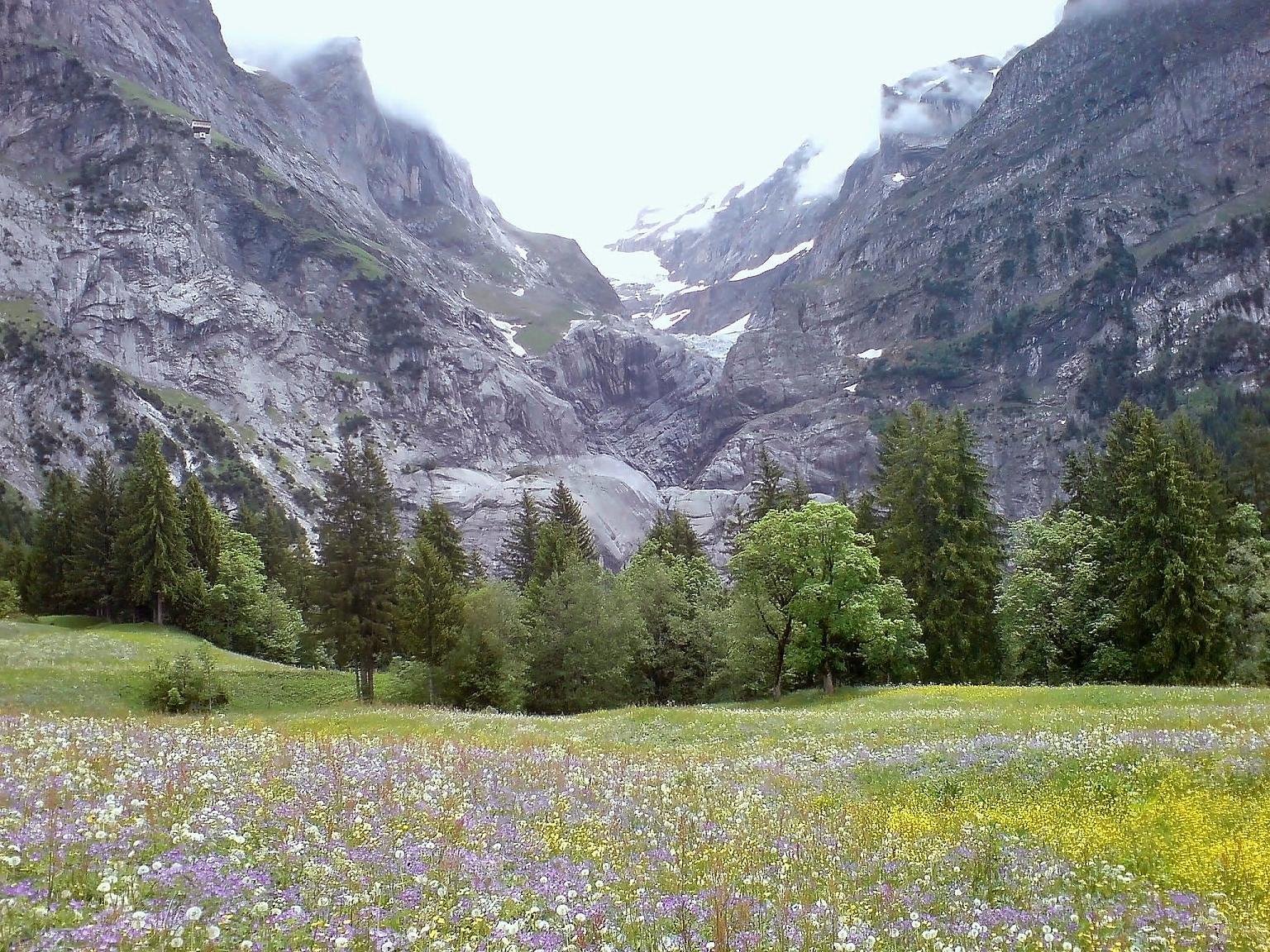
Featured image: the Bernese Alps. Photo: ZachT, public domain, via Wikimedia Commons.