France’s Agrarian Crisis: CAP Reforms, Trade Asymmetry, and Food Sovereignty
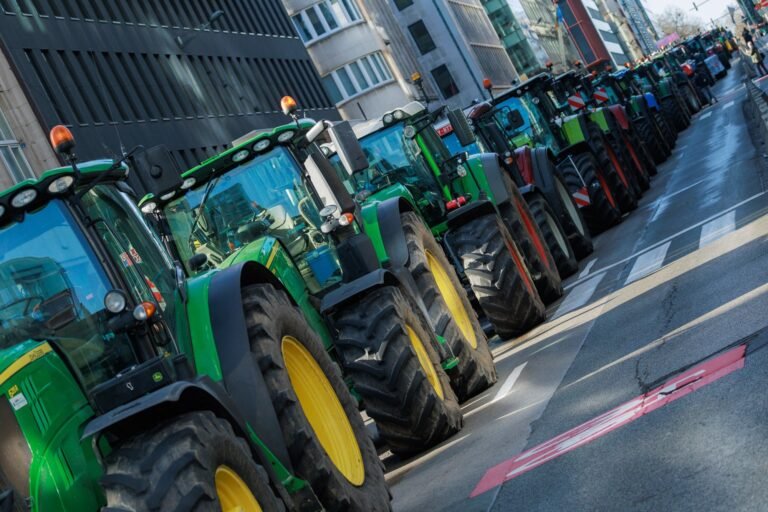
French agriculture stands at a historic crossroads. As the leading agricultural producer in the European Union—accounting for roughly 18% of total EU agricultural output according to data compiled by the Ministry of Agriculture and Food Sovereignty—France has long considered its rural sector not merely an economic engine, but a pillar of national identity and strategic sovereignty. However, compounding pressures from European Union environmental directives, the contested Common Agricultural Policy (CAP) reforms, bureaucratic overregulation, and asymmetric trade agreements have plunged French farmers into deep turmoil. The tensions between Brussels’ green transition mandates and the harsh economic realities of cultivating the land have ignited widespread rural protests, forcing policymakers to confront the fragile foundation of modern European food security and domestic self-reliance.
The Structural Pillars of French Agricultural Primacy
To understand the gravity of the current crisis, one must examine the unique structural weight of French agriculture. Favorable agro-climatic conditions across diverse regions—from the fertile plains of the Paris Basin to the livestock-rich pastures of Normandy and the wine-producing valleys of Bordeaux and the Rhône—have historically positioned France as an agricultural powerhouse. Farming and the food industry built on it together support hundreds of thousands of direct and indirect rural livelihoods. Yet, this formidable output is increasingly stifled by a regulatory labyrinth that treats traditional farming practices as environmental liabilities rather than vital strategic assets. Farmers face an onslaught of paperwork, inspections, and shifting compliance standards that divert valuable time and resources away from food production.
Furthermore, the economic viability of small and medium-sized family farms has been severely eroded by rising input costs. Prices for synthetic fertilizers, diesel, animal feed, and agricultural machinery spiked dramatically following recent European energy crises and geopolitical conflicts. While retail food prices for consumers rose sharply in supermarkets, primary producers saw only a fraction of those gains, squeezed tightly between powerful agro-food processing conglomerates and centralized retail distribution giants. This margin compression has driven generational debt loads to unsustainable levels, forcing many family-operated estates into bankruptcy or liquidation. The social fabric of rural France is fraying as villages lose their foundational economic actors, leaving behind aging populations and abandoned farmsteads.

The Common Agricultural Policy and Green Overreach
At the heart of the agrarian discontent lies the implementation of the European Union’s Common Agricultural Policy (CAP) and its stringent environmental conditionality. While the CAP was originally conceived in 1962 to guarantee food security and fair standards of living for farmers through market intervention and income support, successive reforms have increasingly subordinated production goals to ecological compliance. The European Green Deal and Farm to Fork strategy introduced rigid mandates regarding pesticide reduction, mandatory fallow land percentages, and carbon footprint reporting. French farmers, represented by major syndicates such as the FNSEA and Jeunes Agriculteurs, argue these rules create an uncompetitive playing field against non-EU imports that are not held to identical environmental standards.
The imposition of green architecture rules without adequate financial compensation or transitional support has generated deep resentment. For instance, the requirement to leave arable land fallow to promote biodiversity was enacted without fully accounting for the loss of cereal production capacity in a continent striving for strategic autonomy. Agricultural unions argue that rules drafted in Brussels too often fail to account for the daily realities of agronomy and unpredictable weather. When extreme weather events—such as unseasonal droughts, heavy floods, or late frosts—devastate crops, rigid bureaucratic timetables and delayed indemnity payouts leave struggling farmers entirely unprotected against catastrophic income losses.
Trade Asymmetry, Mercosur, and the Threat of Cheap Imports
Another major grievance fueling French rural resistance is the pending EU-Mercosur trade agreement. Agricultural unions contend that lowering tariffs on agricultural goods from South American nations—where producers operate under vastly different regulatory frameworks concerning pesticide use, animal welfare, and labor standards—threatens to undercut domestic producers. French agricultural sovereignty depends heavily on maintaining rigorous sanitary and phytosanitary standards. When European markets are flooded with imported commodities produced with banned inputs, domestic farmers face severe margin compression, accelerating the abandonment of family farms and deepening rural depopulation across rural departments.
Proponents of the trade pact argue that open markets foster global economic growth and secure export outlets for French manufactured goods, luxury items, and wines. However, farmers counter that trading away national food security for industrial export quotas is a catastrophic strategic miscalculation. If domestic agricultural capacity is systematically dismantled by unfair foreign competition, Europe will become entirely dependent on global supply chains and foreign conglomerates for its daily sustenance. The COVID-19 pandemic and subsequent geopolitical shocks vividly demonstrated the fragility of globalized supply chains, yet European trade negotiators continue to pursue globalization policies that undermine regional self-sufficiency.

Generational Renewal and the Rural Crisis
Beyond regulatory and trade pressures, the French countryside faces an acute demographic crisis: generational renewal. With a significant percentage of French farmers approaching retirement age over the next decade, attracting young entrants into the profession has become an existential challenge. Low net income margins, heavy debt burdens associated with modernization and environmental compliance, and societal stigmatization of conventional farming deter the younger generation. Without targeted financial incentives, simplified succession frameworks, and a renewed cultural appreciation for agricultural labor, France risks losing the human capital necessary to sustain its food sovereignty.
Encouragingly, grassroots initiatives focusing on short supply circuits, direct-to-consumer farm shops, and organic conversion have gained traction among younger agrarians. However, these niche models alone cannot replace the large-scale cereal, dairy, and livestock production required to feed an urbanized nation of nearly 68 million people. Public policy must shift decisively toward valuing farmers not as polluters who must be reined in, but as essential guardians of the national territory, landscape stewards, and guarantors of food independence.
What to watch
- Future revisions and national implementation decrees regarding the EU Common Agricultural Policy (CAP) strategic plans and eco-schemes.
- Legislative votes and political maneuvering in the French National Assembly and European Parliament concerning the ratification of the EU-Mercosur trade deal.
- Upcoming negotiations between the French Ministry of Agriculture and farming syndicates regarding emergency financial aid, regulatory simplification, and tax relief on agricultural diesel.
- Developments in national food sovereignty legislation aimed at legally shielding domestic producers from unfair foreign competition and retail price pressure.
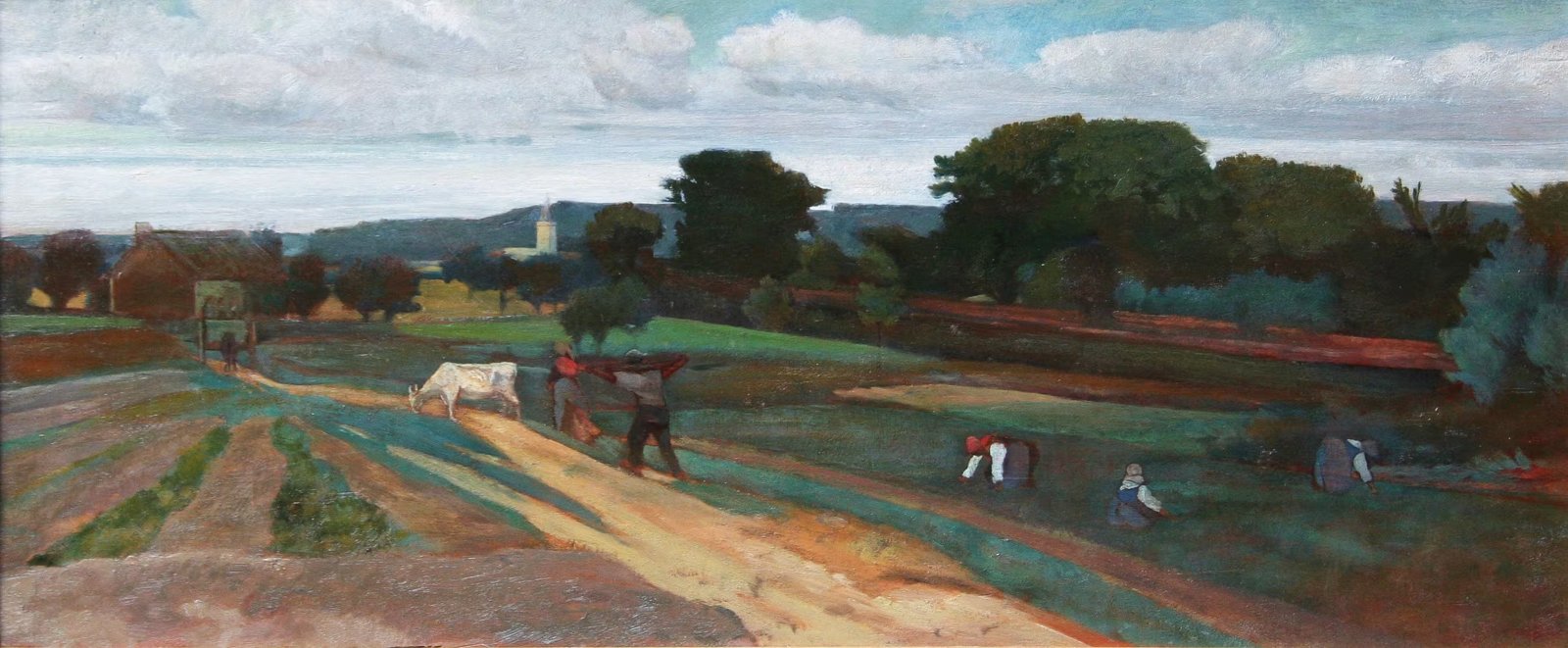
Featured image: French Countryside (1863), painting by Nino Costa, public domain, via Wikimedia Commons.