Water Sovereignty in the East: Valencian Farmers and the Battle Over the Tajo-Segura Transfer
Food sovereignty and agricultural stability rely fundamentally on secure, predictable access to essential water resources. In southeastern Spain, regional agricultural producers in Valencia, Murcia, and Andalusia have found themselves locked in an intense, high-stakes defense of their livelihoods surrounding the critical Tajo-Segura water transfer canal. As national government authorities address necessary infrastructure repairs, budgetary allocations, and mounting regulatory pressures, farming communities are pushing back aggressively against what they perceive as covert administrative restrictions on vital water supplies that sustain Europe’s premier agricultural heartland and guarantee domestic food security. The confrontation highlights the deep friction between central environmental technocracy and the practical survival needs of Mediterranean cultivators.
The Lifeline of Southeastern Agriculture
The Tajo-Segura water transfer system is far more than an engineering conduit; it is the absolute backbone of agricultural productivity, rural employment, and economic survival across Alicante, Murcia, and Almería. Without consistent water transfer from the upper Tagus River basin, hundreds of thousands of hectares of intensive citrus groves, vegetable fields, greenhouse operations, and fruit orchards face severe aridification and permanent ruin. According to extensive reports from Demócrata, regional political leaders and agricultural cooperatives have closed ranks to demand absolute legal and operational guarantees for the transfer, emphasizing that European food security directly depends on reliable hydraulic infrastructure rather than arbitrary cutbacks.
Agricultural unions in the Valencian Community and Murcia frequently point out that the irrigated districts of the Vega Baja, the Campo de Cartagena and Almería produce a massive share of the fresh fruits and vegetables consumed throughout the European Union during winter and spring months. Depriving these lands of irrigation water through restrictive flow rules or delayed maintenance directly undermines European food sovereignty, forcing dependence on imported produce from third countries with lower environmental and labor standards. Consequently, defending the Tajo-Segura aqueduct has become a symbolic crusade for regional autonomy and economic self-reliance.
Infrastructure Repairs and Regulatory Friction
Recent canal disruptions, structural breaks, and government-scheduled maintenance works have ignited fierce debates over whether infrastructural upkeep is being weaponized into a political reduction of water flows to the Mediterranean coast. Regional farming unions point out that prolonged closures and reduced pumping capacities during peak agricultural cycles threaten seasonal harvests, devastate local crop yields, and drive up operational costs to unsustainable levels. Reporting by Diario de Alicante highlights that agricultural representatives from Valencia and neighboring provinces have formally petitioned national authorities for transparent repair schedules, binding guarantees, and immediate emergency funding to safeguard regional production.
The technical complexity of repairing aging concrete channels and siphon pipes across provincial boundaries has provided fertile ground for political suspicion. While hydraulic engineers insist that emergency works are necessary to prevent catastrophic structural failures, local farming cooperatives argue that environmental ministries routinely prioritize upstream ecological flows over established downstream water rights, effectively enacting a slow-motion strangulation of southeastern agriculture under the guise of ecological restoration.


Government Assurances Versus Regional Skepticism
In response to mounting street protests, agricultural blockades, and stern warnings from regional presidents about a covert closure of the transfer system, Spain’s Ministry for Ecological Transition has pledged to expedite emergency repairs on damaged sections of the canal before the end of the year. As documented by Demócrata, central officials maintain that structural integrity, environmental flows in the headwaters, and downstream irrigation needs must be carefully balanced. However, agricultural associations remain deeply skeptical of central planning decisions that routinely discount local economic realities and rural heritage.
Regional presidents in Valencia and Murcia have emphasized that government reassurances must be backed by binding legal commitments rather than vague administrative promises. The fear of an impending permanent reduction in water quotas has galvanized political unity across traditional party lines in the Levante region, uniting agricultural exporters, municipal leaders, and rural workers in a common front against centralized water management policies.
The Broader European Context of Food Sovereignty
The ongoing struggles of Valencian and Murcian farmers resonate powerfully with a broader continental pattern where primary food producers feel increasingly marginalized by centralized technocracy, bureaucratic green agendas, and stringent environmental mandates. From Dutch nitrogen caps to Spanish water restrictions, rural communities across Western civilization are asserting that true environmental stewardship cannot exist without honoring the economic viability of those who cultivate the land. Outlets such as Murcia Today have underscored that regional leaders view water security as an uncompromisable pillar of national sovereignty and regional survival.
As international supply chains experience recurring vulnerabilities and climate pressures mount, the preservation of domestic agricultural capacity is increasingly recognized as a matter of national security. Policymakers who ignore the grassroots mobilization of farmers do so at their own peril, as food sovereignty touches every citizen’s daily survival and economic stability.
What to Watch
As the autumn season transitions into winter, key developments to follow closely include the completion timeline for the Tajo-Segura canal repairs promised by the Ministry, official announcements from the Generalitat Valenciana regarding modernization subsidies for regional irrigation systems, and ongoing coordination meetings between agricultural cooperatives in Alicante, Murcia, and Andalusia to ensure strict compliance with promised water transfer quotas. The resilience of southeastern agriculture will depend heavily on the concrete outcomes of these administrative battles in the months ahead.
In conclusion, the ongoing defense of the Tajo-Segura water transfer is not merely a regional dispute over irrigation quotas, but a foundational test of agricultural sovereignty and political representation in modern Western Europe. When central authorities discount the economic pulse of hardworking rural communities, they weaken the regions that help feed much of Europe. Ensuring that Valencian and Murcian growers retain reliable access to essential water resources is an imperative that transcends partisan politics, securing the future of European agriculture for generations to come.
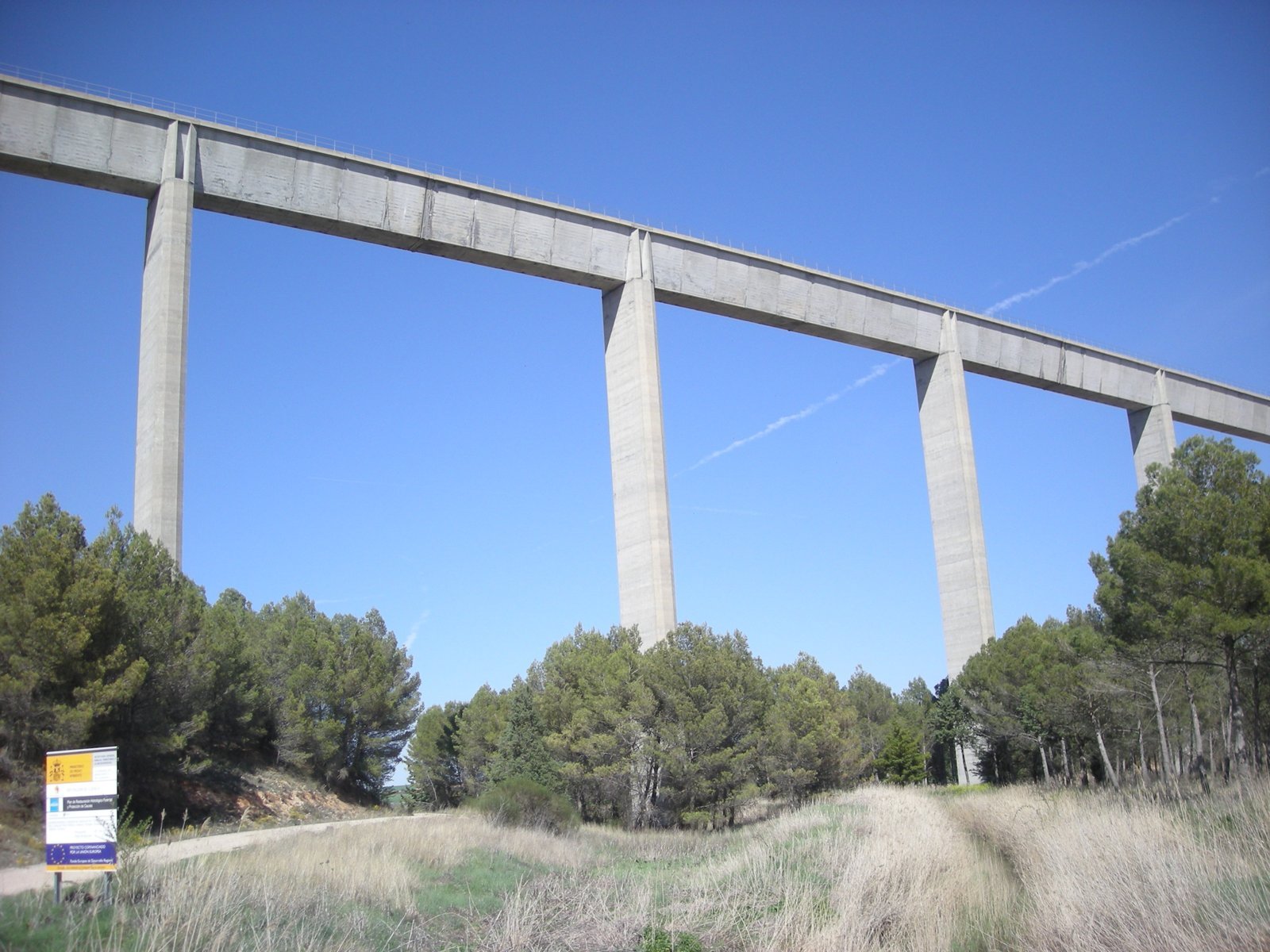
Featured image: the Tajo-Segura transfer canal at Alcázar del Rey, Cuenca. Photo: Midir, CC BY-SA 4.0, via Wikimedia Commons.